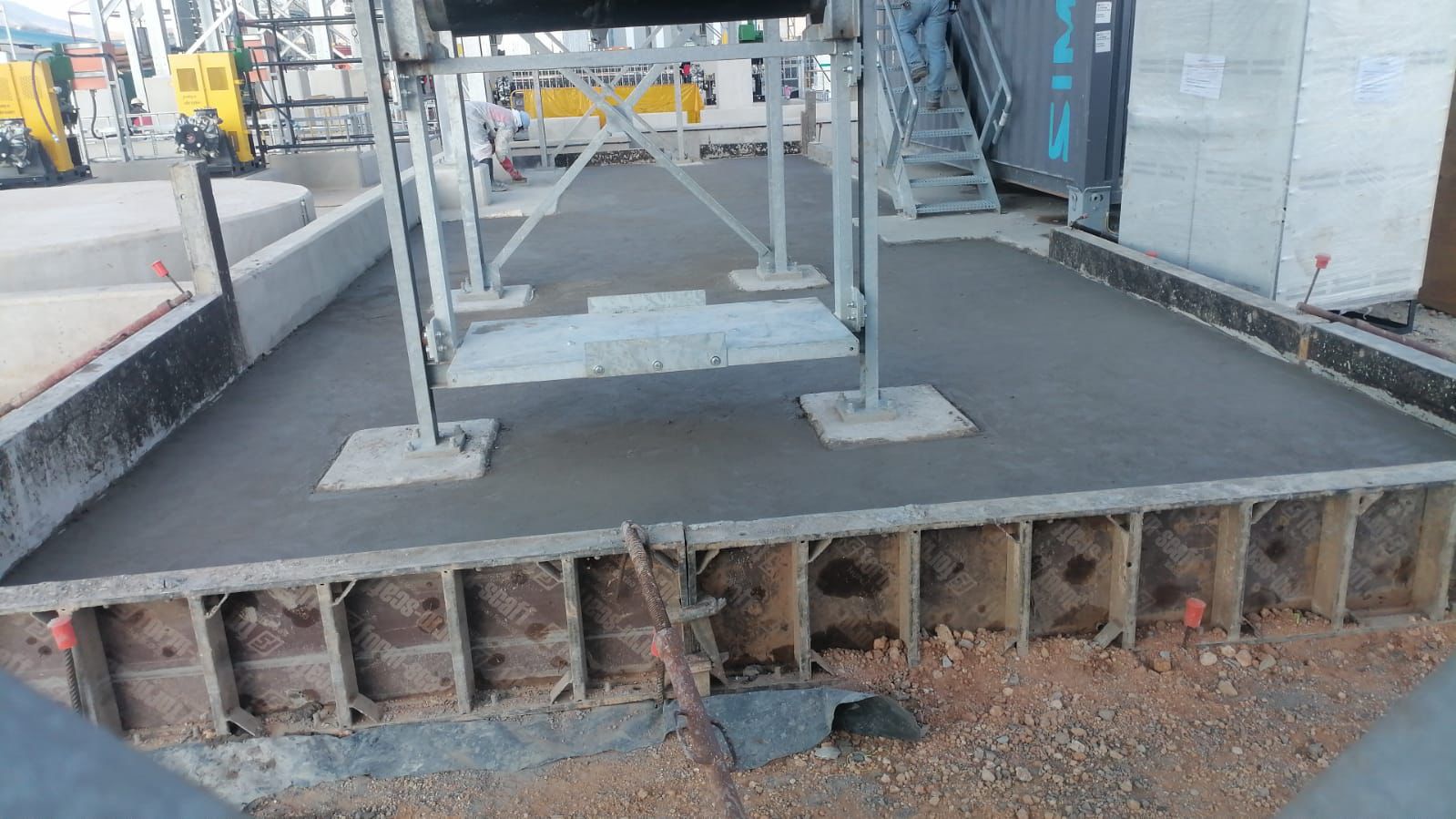
The Complexity of Commercial Concrete Projects
Commercial concrete projects present unique challenges that require sophisticated project management approaches. Unlike residential projects, commercial developments often involve multiple stakeholders, complex scheduling requirements, and strict quality standards. Success in commercial concrete project management requires a combination of technical expertise, strategic planning, and effective communication.
Distinctive Characteristics of Commercial Projects
- Scale: Large volumes of concrete with tight delivery schedules
- Complexity: Specialized mixes, structural requirements, and technical specifications
- Stakeholder Diversity: Multiple contractors, consultants, and regulatory bodies
- Risk Management: Higher financial stakes and potential for significant delays
- Quality Standards: Stringent requirements for strength, durability, and finish
Pre-Project Planning and Coordination
Successful commercial concrete projects begin with comprehensive planning:
Project Assessment and Requirements Analysis
- Review architectural and structural drawings in detail
- Identify specialized concrete requirements (strength, workability, durability)
- Assess site access and logistical constraints
- Evaluate environmental conditions and seasonal factors
- Determine quality control and testing requirements
Stakeholder Coordination
- Establish clear communication channels with all parties
- Coordinate with structural engineers for mix design approvals
- Align schedules with other trades and subcontractors
- Integrate with overall project management systems
- Ensure compliance with regulatory requirements
Mix Design and Technical Specifications
Commercial projects often require specialized concrete mixes:
Performance-Based Specifications
- High-strength concrete for structural elements (40-80 MPa)
- Self-consolidating concrete for complex formwork
- Mass concrete with low heat of hydration
- Rapid-hardening mixes for accelerated schedules
- Specialty mixes for specific environmental exposures
Quality Assurance Protocols
- Third-party testing and certification requirements
- Comprehensive documentation of all mix designs
- Sample testing at 7, 14, and 28 days
- Non-destructive testing methods for in-situ concrete
- Traceability of materials and production batches
Scheduling and Logistics Management
Efficient scheduling is crucial for commercial concrete projects:
Production Scheduling
- Develop detailed pour schedules with critical path analysis
- Coordinate with batching plant capacity and availability
- Plan for peak demand periods and resource allocation
- Implement buffer times for unexpected delays
- Establish backup suppliers for critical pours
Delivery Logistics
- Optimize delivery routes for multiple pour locations
- Coordinate with site access restrictions and traffic management
- Schedule deliveries to match placement capabilities
- Implement real-time tracking for concrete trucks
- Establish communication protocols for delivery updates
Quality Control and Testing
Rigorous quality control is essential for commercial projects:
Pre-Pour Quality Checks
- Slump and air content testing at delivery
- Temperature monitoring for hot or cold weather conditions
- Verification of mix design compliance
- Inspection of forms and reinforcement before placement
- Coordination with inspection authorities when required
In-Process Monitoring
- Continuous monitoring of placement operations
- Documentation of pour sequences and volumes
- Real-time adjustments to maintain quality standards
- Coordination with finishing crews and equipment
- Implementation of safety protocols during placement
Risk Management and Contingency Planning
Commercial projects require comprehensive risk mitigation strategies:
Common Project Risks
- Weather Delays: Develop alternative schedules for adverse conditions
- Supply Chain Issues: Establish backup suppliers and materials
- Equipment Failures: Maintain standby equipment and service contracts
- Quality Issues: Implement rapid response protocols for non-conforming materials
- Regulatory Changes: Stay informed of code updates and permit requirements
Contingency Planning
- Develop alternative pour sequences for schedule disruptions
- Maintain emergency contact lists for all stakeholders
- Establish protocols for rapid decision-making
- Prepare financial reserves for unexpected costs
- Document all deviations and change orders
Technology Integration
Modern project management leverages technology for improved efficiency:
Digital Tools and Platforms
- Project management software for scheduling and resource allocation
- Real-time GPS tracking for concrete delivery vehicles
- Mobile apps for quality testing documentation
- Digital communication platforms for stakeholder coordination
- BIM integration for precise quantity takeoffs
Data Analytics and Reporting
- Performance metrics tracking for continuous improvement
- Real-time reporting to project stakeholders
- Predictive analytics for resource planning
- Historical data analysis for future project planning
- Integration with financial management systems
MPP Readymix Project Management Approach
Our comprehensive approach to commercial concrete project management:
Dedicated Project Teams
- Assigned project managers for each commercial account
- Technical specialists for complex engineering requirements
- Logistics coordinators for delivery optimization
- Quality assurance personnel for compliance monitoring
Communication Protocols
- Regular project status meetings with all stakeholders
- 24/7 customer service availability for critical projects
- Real-time updates through digital communication channels
- Comprehensive reporting on quality and delivery metrics
- Proactive issue identification and resolution
Best Practices for Success
Key principles for effective commercial concrete project management:
Early Engagement
- Involve concrete supplier during design development
- Conduct pre-construction meetings with all stakeholders
- Establish clear expectations and deliverables
- Identify potential challenges early in the process
Continuous Improvement
- Post-project reviews to identify lessons learned
- Regular training for project management personnel
- Implementation of new technologies and methods
- Feedback collection from all project stakeholders
Case Studies and Examples
Successful commercial project management requires learning from experience:
- High-Rise Construction: Coordinating multiple pours with precise timing
- Industrial Facilities: Managing specialized concrete requirements
- Infrastructure Projects: Ensuring quality in large-scale applications
- Mixed-Use Developments: Balancing diverse concrete needs
Conclusion
Effective commercial concrete project management is a complex but essential discipline for successful large-scale construction. By implementing comprehensive planning, leveraging technology, maintaining rigorous quality control, and fostering clear communication among all stakeholders, projects can be completed on time, within budget, and to the highest quality standards.
MPP Readymix brings extensive experience in commercial concrete project management to every large-scale construction endeavor. Our dedicated team of professionals understands the unique challenges of commercial projects and provides the expertise, resources, and commitment necessary to ensure your project's success. Contact us today to discuss how our project management approach can benefit your next commercial concrete project.