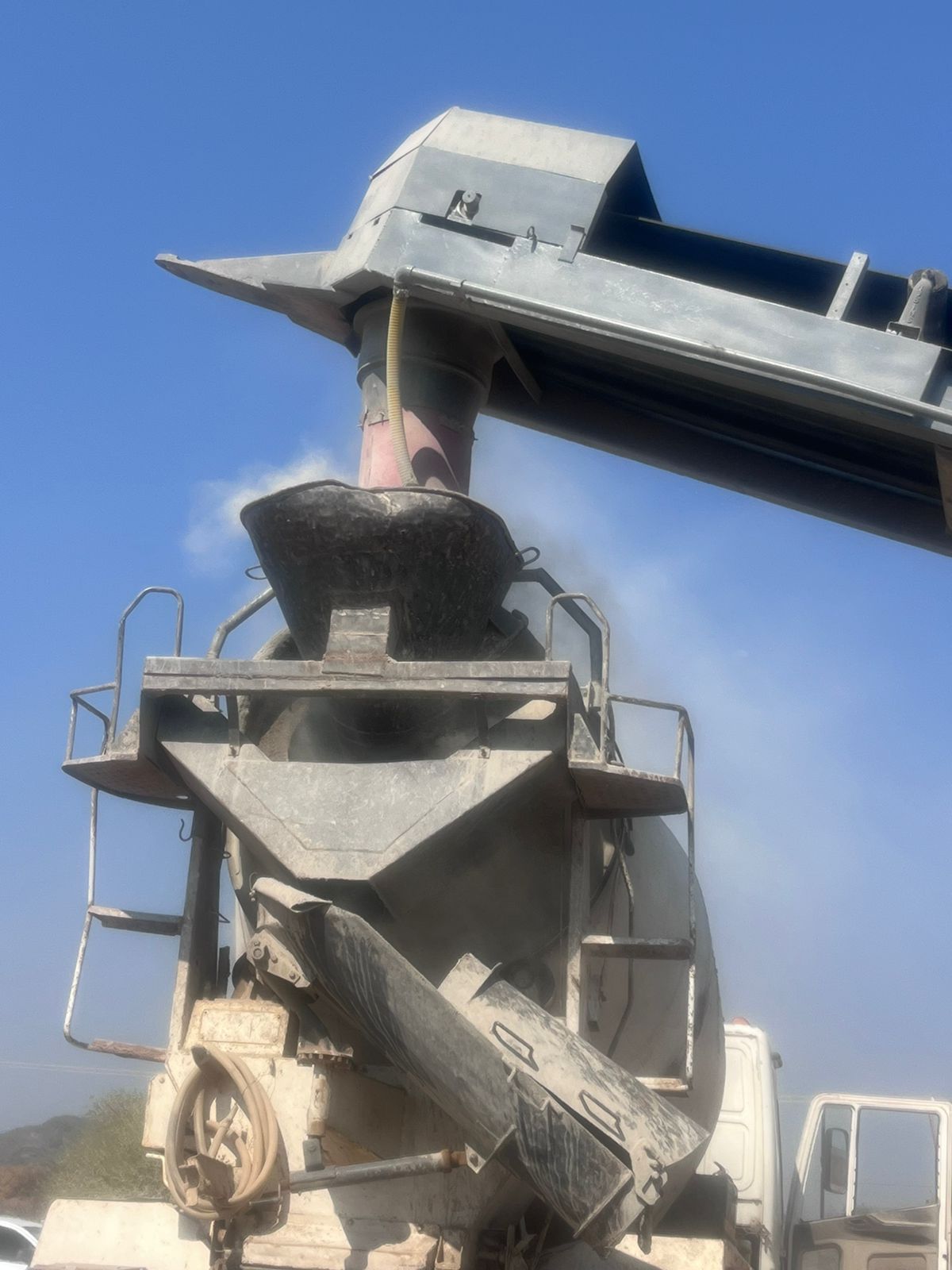
Understanding Limpopo's Climate Impact on Concrete
Limpopo's diverse climate conditions, from hot summers to mild winters, present unique challenges for concrete construction. Understanding these factors is crucial for achieving durable, long-lasting structures.
Temperature Considerations
High temperatures during Limpopo's summer months can accelerate concrete curing, potentially leading to reduced strength and durability. Here's how to manage temperature effects:
- Early Morning Pours: Schedule concrete pours during cooler morning hours to avoid extreme heat
- Proper Hydration: Maintain adequate moisture levels during the curing process
- Shading: Provide shade for freshly poured concrete to prevent rapid moisture loss
- Temperature Monitoring: Use temperature sensors to track concrete temperature during curing
Moisture Control Strategies
Proper moisture management is critical for achieving optimal concrete strength and durability:
- Curing Compounds: Apply appropriate curing compounds to retain moisture
- Wet Curing: Keep concrete surfaces moist for the first 7-14 days
- Plastic Sheeting: Cover concrete with plastic sheeting to prevent moisture loss
Mix Design Optimization
Selecting the right concrete mix is fundamental to project success. Consider these factors:
Cement Content and Type
Choose the appropriate cement type based on your specific application:
- Ordinary Portland Cement (OPC): Suitable for general construction
- Rapid Hardening Cement: For projects requiring quick strength development
- Sulphate Resistant Cement: For areas with high sulphate content in soil or groundwater
Aggregate Selection
Quality aggregates are essential for strong, durable concrete:
- Gradation: Ensure proper aggregate gradation for optimal packing
- Cleanliness: Use clean aggregates free from organic matter
- Local Sources: Utilize high-quality local aggregates when available
Quality Control Measures
Implementing rigorous quality control ensures consistent concrete performance:
Testing Protocols
- Slump Tests: Monitor workability and consistency
- Compressive Strength Tests: Verify strength development at 7, 14, and 28 days
- Air Content Testing: Ensure appropriate air entrainment for durability
Documentation and Records
Maintain detailed records of all concrete activities:
- Mix designs and batch tickets
- Delivery times and temperatures
- Test results and compliance certificates
- Weather conditions during placement
Best Practices for Placement and Finishing
Placement Techniques
- Continuous Placement: Avoid cold joints by maintaining continuous pours
- Proper Consolidation: Use appropriate vibration techniques to eliminate voids
- Joint Planning: Plan construction joints for optimal structural integrity
Surface Finishing
Achieve the desired surface finish through proper techniques:
- Float Timing: Begin floating operations at the right time
- Trowel Techniques: Use appropriate troweling methods for smooth finishes
- Texture Creation: Apply textures for slip resistance when required
Conclusion
Quality concrete construction in Limpopo requires attention to climate conditions, proper mix design, rigorous quality control, and skilled placement techniques. By following these essential tips and working with experienced concrete suppliers like MPP Readymix, you can ensure successful, durable concrete construction projects.
For expert guidance on your next concrete project, contact MPP Readymix today. Our experienced team understands Limpopo's unique construction challenges and can provide tailored solutions for your specific needs.